
Thank you for signing up for my [Name of freebie]!
Tell them how much they will enjoy the free gift and what they can expect it to do for them. Put an image of your free gift in the image block. You can take screenshots of your Freebie pages and use the template provided in your PLUS Canva file images like the one on the right.

Hold up, there’s more…
Tell them about the next steps they should take to get to know more about you and your services here.
Should they join your free Facebook group? Should they follow you on Instagram? Should they book a call with you? Should they read a case study of a previous client? Read your blog posts? You pick but give them a way to know you more in this section. Don’t overwhelm them with choices, just pick one.
You can choose to use the delete the blog highlight below and use the button to link to another website page, Instagram profile, facebook group, etc., below. Or you can choose to delete the button and use the blog highlight reel below.
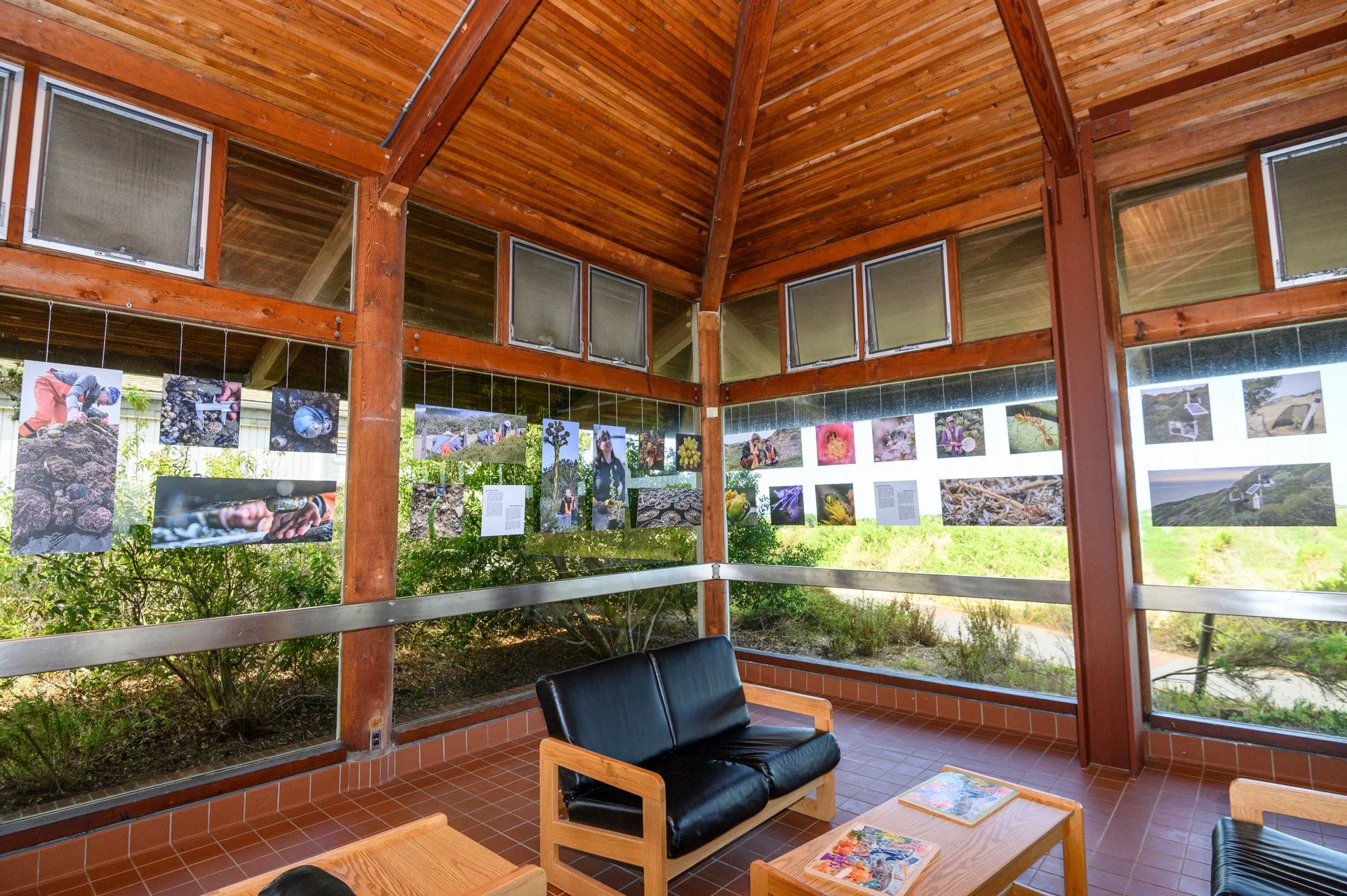
Discover the inspiring reality of nature's resilience in "Ground Truth: Stories of Hope in Conservation," a powerful photography exhibit presented by the Southern California Research Learning Center. Moving beyond abstract headlines, this visually stunning collection captures the tangible successes of dedicated restoration efforts across the region's national parks. From monitors working to save the rare Black Abalone in shifting tide pools and "Weed Warriors" protecting the majestic Shaw's Agave at Point Loma, to the replanting of cloud-catching Island Oaks that recharge groundwater, each photograph serves as a documented "data point of hope". Step out of the lab and into the field to witness these extraordinary conservation success stories, and see firsthand what is possible when human dedication meets natural persistence to protect and heal our ecosystems.
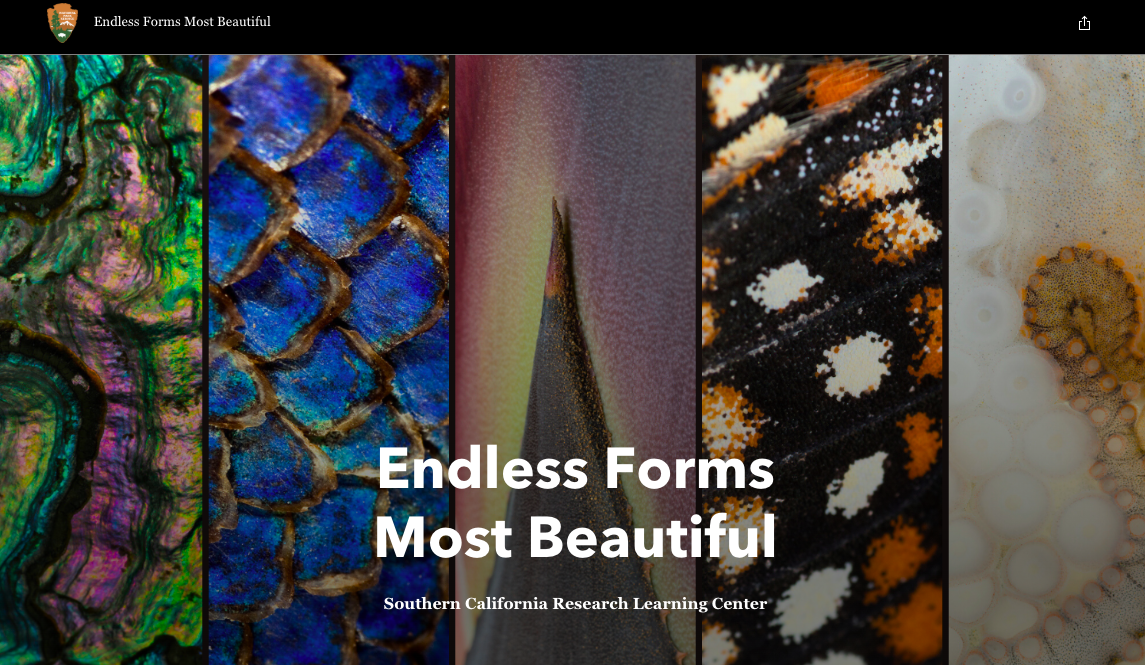
Discover the breathtaking intersection of art and science in "Endless Forms Most Beautiful," a captivating visual journey presented by the Southern California Research Learning Center. Featuring extreme, high-resolution close-up photography of stunning animal textures—such as mesmerizing iridescent shells—this unique interactive storymap explores the extraordinary evolutionary wonders found across Cabrillo National Monument, Channel Islands National Park, and the Santa Monica Mountains National Recreation Area. Dive into an immersive experience that brings nature's most hidden, exquisite details to life, inspiring a deeper appreciation for biodiversity and a passionate conservation ethic. Explore the parks like never before and see firsthand why the natural world truly is an endless masterpiece.

Everyone has a role to play. In this issue of 3Parks3Stories, we would like to share three stories of successful conservation projects in the Mediterranean parks that were reliant upon partnerships between the NPS and one or more dedicated collaborators. In these stories, we hope you see the mutual benefits of these relationships and the value they bring in the effort to protect, preserve, and understand our national legacy.

Black abalone were once the most numerous and dominant species in intertidal habitats ranging from northern California to southern Baja California. However, the combination of extreme fishing pressure and a disease, known as Withering Syndrome, decimated the population. When it comes to black abalone, many groups hold a story of deep connection to these seemingly inconspicuous invertebrates. In the ESRI StoryMap “Haliotis”, you’ll read about the importance of this species from diverse perspectives, including tribal communities, conservationists, government agencies and scientists and how these groups are working to bring the species back from the brink of extinction.

Over 30 years of long term intertidal monitoring on the California Channel Islands has revealed a significant decline of the seaweed species Silvetia compressa. This decline is troubling as the species provides foundational habitat and protection for a diverse assortment of intertidal creatures. Several hypotheses are under investigation as to the disappearance of Silvetia from its native habitat and restoration treatments are underway to best understand how to manage the species and its future. This restoration and the corresponding scientific investigation provide a unique narrative and opportunity for public engagement with the scientific process on public lands.

Southern California is a region unlike any other. From rugged, snow-capped mountains, to dry, arid deserts, to rich, gleaming coastlines – this Mediterranean biome encapsulates one of the most dynamic and ecologically diverse ecosystems on earth. Despite this, a wide array of vulnerabilities persist. Habitat loss, pollution, impacts from invasive species, climate change, and a host of other human-derived stressors, work both individually and in concert, to threaten the distinct flora and fauna that call this place home.