

Portfolio
To learn more about individual projects, click on the portfolio image.
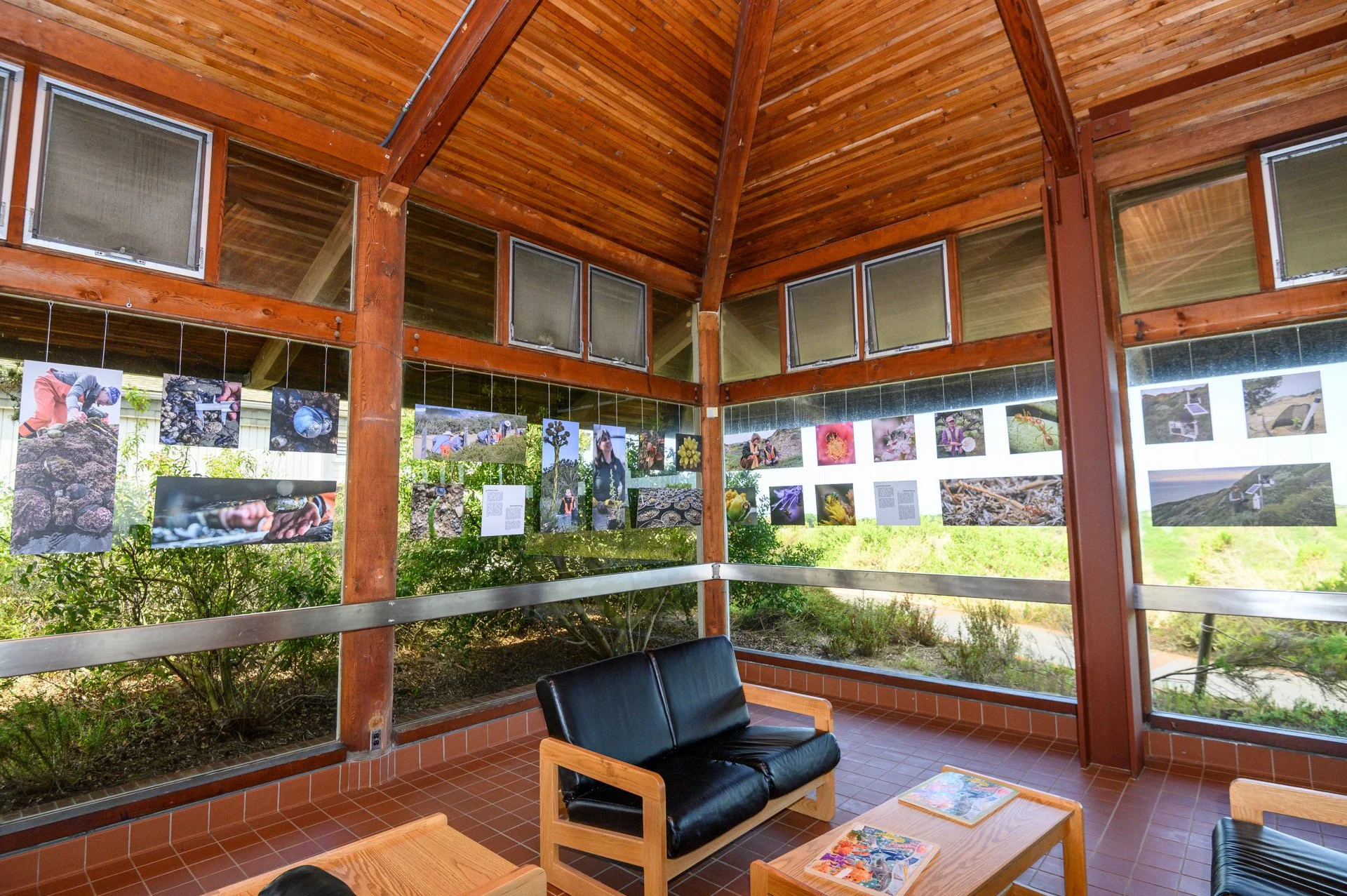
Discover the inspiring reality of nature's resilience in "Ground Truth: Stories of Hope in Conservation," a powerful photography exhibit presented by the Southern California Research Learning Center. Moving beyond abstract headlines, this visually stunning collection captures the tangible successes of dedicated restoration efforts across the region's national parks. From monitors working to save the rare Black Abalone in shifting tide pools and "Weed Warriors" protecting the majestic Shaw's Agave at Point Loma, to the replanting of cloud-catching Island Oaks that recharge groundwater, each photograph serves as a documented "data point of hope". Step out of the lab and into the field to witness these extraordinary conservation success stories, and see firsthand what is possible when human dedication meets natural persistence to protect and heal our ecosystems.
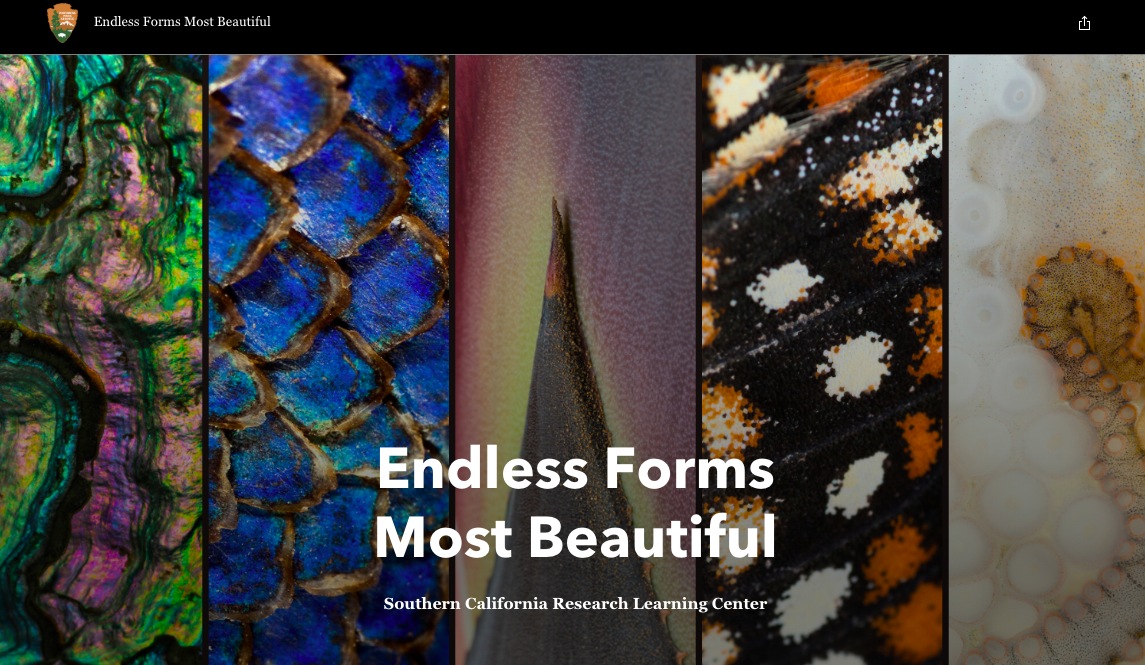
Discover the breathtaking intersection of art and science in "Endless Forms Most Beautiful," a captivating visual journey presented by the Southern California Research Learning Center. Featuring extreme, high-resolution close-up photography of stunning animal textures—such as mesmerizing iridescent shells—this unique interactive storymap explores the extraordinary evolutionary wonders found across Cabrillo National Monument, Channel Islands National Park, and the Santa Monica Mountains National Recreation Area. Dive into an immersive experience that brings nature's most hidden, exquisite details to life, inspiring a deeper appreciation for biodiversity and a passionate conservation ethic. Explore the parks like never before and see firsthand why the natural world truly is an endless masterpiece.

Everyone has a role to play. In this issue of 3Parks3Stories, we would like to share three stories of successful conservation projects in the Mediterranean parks that were reliant upon partnerships between the NPS and one or more dedicated collaborators. In these stories, we hope you see the mutual benefits of these relationships and the value they bring in the effort to protect, preserve, and understand our national legacy.

Black abalone were once the most numerous and dominant species in intertidal habitats ranging from northern California to southern Baja California. However, the combination of extreme fishing pressure and a disease, known as Withering Syndrome, decimated the population. When it comes to black abalone, many groups hold a story of deep connection to these seemingly inconspicuous invertebrates. In the ESRI StoryMap “Haliotis”, you’ll read about the importance of this species from diverse perspectives, including tribal communities, conservationists, government agencies and scientists and how these groups are working to bring the species back from the brink of extinction.

Over 30 years of long term intertidal monitoring on the California Channel Islands has revealed a significant decline of the seaweed species Silvetia compressa. This decline is troubling as the species provides foundational habitat and protection for a diverse assortment of intertidal creatures. Several hypotheses are under investigation as to the disappearance of Silvetia from its native habitat and restoration treatments are underway to best understand how to manage the species and its future. This restoration and the corresponding scientific investigation provide a unique narrative and opportunity for public engagement with the scientific process on public lands.

Southern California is a region unlike any other. From rugged, snow-capped mountains, to dry, arid deserts, to rich, gleaming coastlines – this Mediterranean biome encapsulates one of the most dynamic and ecologically diverse ecosystems on earth. Despite this, a wide array of vulnerabilities persist. Habitat loss, pollution, impacts from invasive species, climate change, and a host of other human-derived stressors, work both individually and in concert, to threaten the distinct flora and fauna that call this place home.
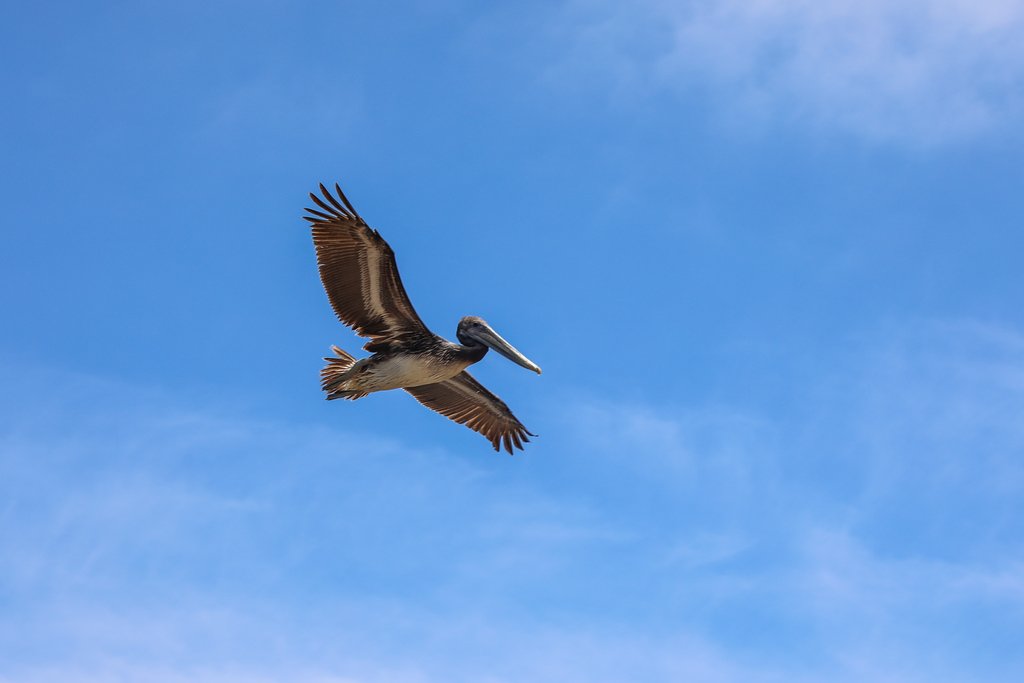
Off the coast of Baja California, lies a distinct chain of islands - Las Islas Coronados. Since 2001, aquaculture facilities have been present just offshore. This piece explores and interprets the research around these fish pens and the impact they may influence on the adjacent island ecosystem.

For over one hundred years, the National Park Service has been entrusted with the mission of preserving and protecting America’s most beautiful places for the enjoyment of this and future generations.

When carbon dioxide combines with water, a unique interaction occurs that results in an increasing concentration of hydrogen ions. As hydrogen levels increase, the pH or potential hydrogen, decreases resulting in a process known as Ocean Acidification.

When you look at data over many years, many times a story begins to emerge. And each vital sign tells its own story. Sometimes, the story is a warning. Other times, it’s a tale of hope and optimism. 3 Parks 3 Stories is an exploration of three stories from these three parks that we think captures what it means to manage and care for natural resources in southern California.

In September 2020, Cabrillo National Monument—San Diego’s only national park. It was during this month-long, concentrated, species documentation effort that park naturalist, Patricia Simpson, made the original discovery of the red-and-black bee with which she was unfamiliar.
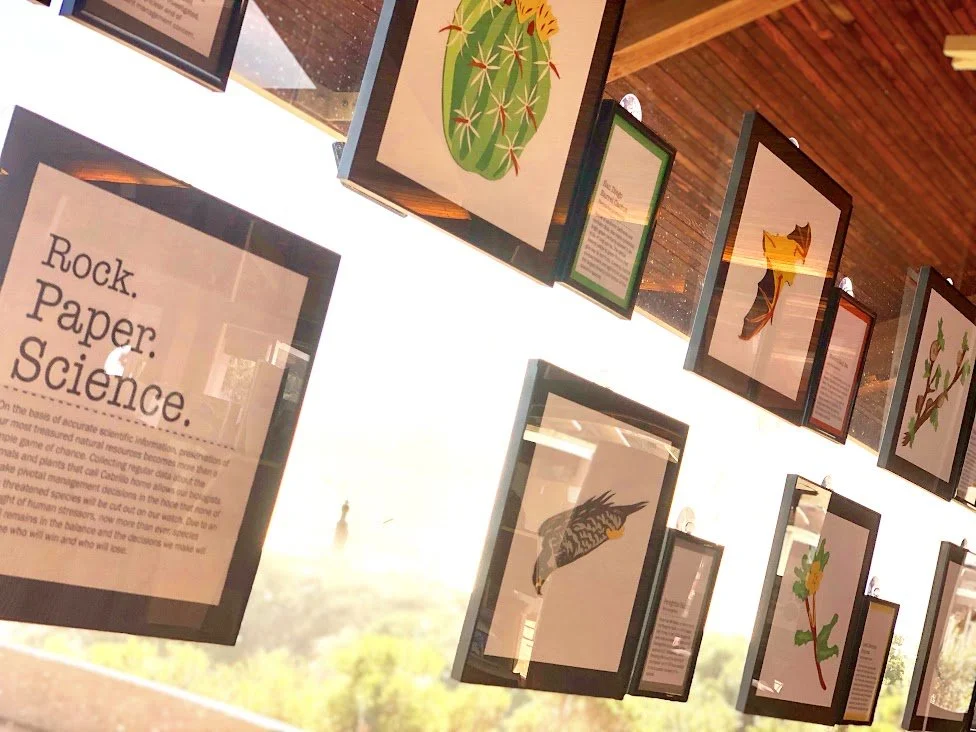
On the basis of accurate scientific information, preservation of our most treasured natural resources becomes more than a simple game of chance. Collecting regular data about the animals and plants that call Cabrillo National Monument home allows park biologists to make pivotal management decisions in the hope that none of these threatened species will be cut out on our watch.







Professional Impact
$2
Million
Grant Funding Secured For Non-Profit, Academic, and Government Entities
25+
Courses
Developed or Instructed in the Environmental Conservation Space
100+
Presentations
Given on Science and Communication Themes


Consulting and Career Development Services
Alongside her work in science communication - Alex is also a Certified Salesforce Professional with a passion for building efficient and accessible systems to solve complex organizational problems.
Let’s Work Together
Are you or your organization looking for science communication support or guidance? Let’s find a time to grab a virtual coffee and connect. I would love to hear about your vision and how I can support you.
-
I strongly recommend her as a facilitator, organizer, leader and team-member.
“Alex is one of those special people that manages to pull together a whole landscape for sustainability, conservation, and inclusion in everything that she does. She is inspirational and leads by example, bringing together diverse stakeholders and catalyzing collaborations that result in real, tangible change. …I take any and every opportunity to collaborate with Alex and hold her in the highest esteem.”
Dr. Sula Vanderplank - Directora del Centro de Estudios del Medio Ambiente - Eco-Alianza de Loreto A.C.
-
Should you have the opportunity to work with Alex, take it!!
“I’ve been fortunate to work with Alex Warneke on a number of projects. Alex brings an insightful, inventive, and high-quality edge to her expertise of science communication. Those elements along with her consistent professionalism have been vital to the reach and to the success of each of our collaborations.”
Michael Ready - Professional Photographer - International League of Conservation Photographers
-
Working with her is a stress-free delight due to her thorough planning and contingency development skills as well as her warm, approachable, and engaging personality.
“I have had the fortunate opportunity of working with Alex in facilitating multiple courses for the Advanced Inquiry Program, where we were responsible for developing inquiry-based course materials, facilitating class discussion and activities, guiding and mentoring graduate-level students, and supporting program development in the realm of conservation science. Alex is by far the most organized, detail-oriented, diligent, and indefatigable person I have encountered in the field. ”
Rhiannon Schultz - NSF Graduate Research Fellow - University of Georgia